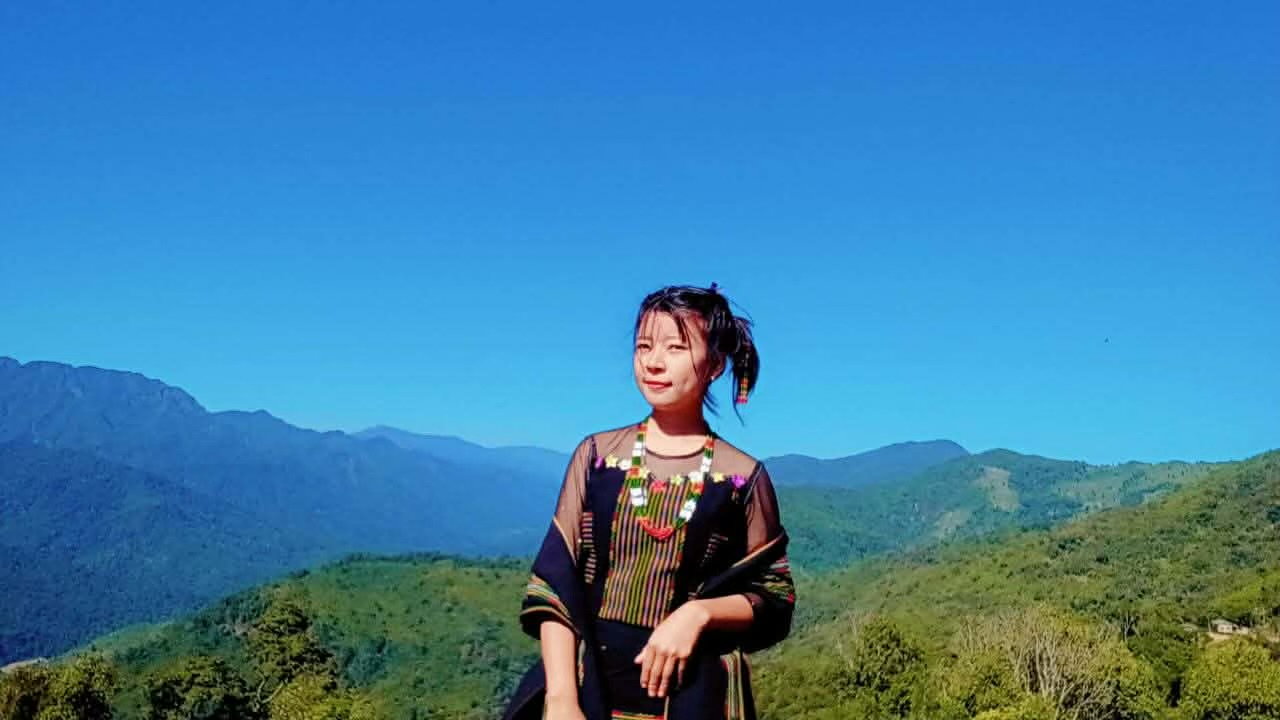
Villages and Places
This page gathers the villages and place references named in the uploaded Khongso document.
| Main village list | Lui Vang, Bawi Ring (A), Bawi Ring (B), Suipinkung, Vadaengkung, Pahangkung, Zongkung, Saekung, Dawkung, Lakangkung, Toengkung, Paakung, Suisip, Laekkung, Tuiqongkung, Lamoi, Cingcang, Dai Hnan, Khua Hung, Pai (Auk Cangki), Tawkkung, Boilee, Ka Naung, Sami town, Ayangkung, Halawkkung |
|---|---|
| Main place references | Matupi Township, Paletwa Township, Sarawng River, Mi River, Ru River, Chindwin Valley, Hakha, Rezua, Hmuet Hill Ranges, Phoisang Hill Ranges, Kima Mountain, Mintuempaa puk |
Settlement references from the document
Khongso is one of the Chin tribes of . It is one of the great Indo-Mongolian tribes with Tibeto-Burmese language group. Firstly, they migrated from and then to Western part of to their present habitat. The Khongso tribe is divided into two clans or sub-tribes. They are Khenlak and Sangta. There are 23 families included in Khongso tribe: namely Kungca, Pakawt, Nisae (Lung Khra), Kapui, Lenvai, Tamlai, Boiqing, Khongpui, Thung Noeng, Ang Ting, Sentak, Sangta, Laikawt, Humtae, Thuipraek, Satoek, Humnan, Kaca, Pa-ngan, Lungtak, Lamluek, Rahnoem, and Aima. Khongso tribe has two literatures, which is Khongso and Asang (Khongso) representing Khongso people, that was approved and signed between two boards in Paletwa Town on March 24, 2014. In accordance with the agreement, any of which could be freely applied among the community in writing, depending on their choice, their interest, and their comprehension. The Khongso people have a highly patriotic spirit. They are cheerful, honest, unselfish, democratic and stubbornly independent. They also have an unsophisticated, realistic outlook on life and revenge. The people are basically hard working and healthy people with strong religious indebtedness. Their ethnic tribe’s symbol is Tangdaeng (rocket tail Drango). Along with it lings Langla pawk (Bulbophyllum refractor, one of orchid species) is their royal flower.
The Khongso group came to their present habitat with other groups from , that is, to and Chindwin Valley of Myanmar. According to Khongso forefathers and the story of oral tradition, the first settlement was in the , but unfortunately when it was destroyed by the flood, they crossed and moved to a big cave called Mintuempaa puk (Lailun in Chin). After staying there for some years, they moved down to Western land of Chin State; Hakha and Matupi, and at last settled down around Hmuet and Phoisang Hill Ranges around 14th century. These hill ranges stretch over western part of Matupi Township between Pamai and Chakhine villages, 40 miles away from Matupi Town. According to the record of British captain Burn, Phoisang Hill was called “Lepring Hill.”
The story says that this migration was forced down on them both by the strong people of and a great famine. Regarding the time and date of their departure from it is not recorded, but it would probably be during the 13th century. But according to Lian H. Sakhong, “Although we do not know exactly when and why, the date can be set approximately to the first years of 13th century or the beginning of 14th century.” After settling down for many years in Hmuet and , some of the Khongso migrated to and Mi River. At present they are staying between Phoisang Hill Range and Kima Mountain. Most of Khongso people live in these villages: Lui Vang, Bawi Ring (A), Bawi Ring (B), Suipinkung, Vadaengkung, Pahangkung, Zongkung, Saekung, Dawkung, Lakangkung, Toengkung, Paakung, Suisip, Laekkung Tuiqongkung, Lamoi, and Cingcang. And some of Khongsos live in these villages with other tribes: Dai Hnan, Khua Hung, Pai (Auk Cangki), Tawkkung, Boilee, Ka Naung, Sami town, Ayangkung, and Halawkkung. And nowadays some of Khongso people migrate and live in Yangon, Myanmar and even foreign countries like India, Malaysia, Canada, USA, Australia, and Norway.
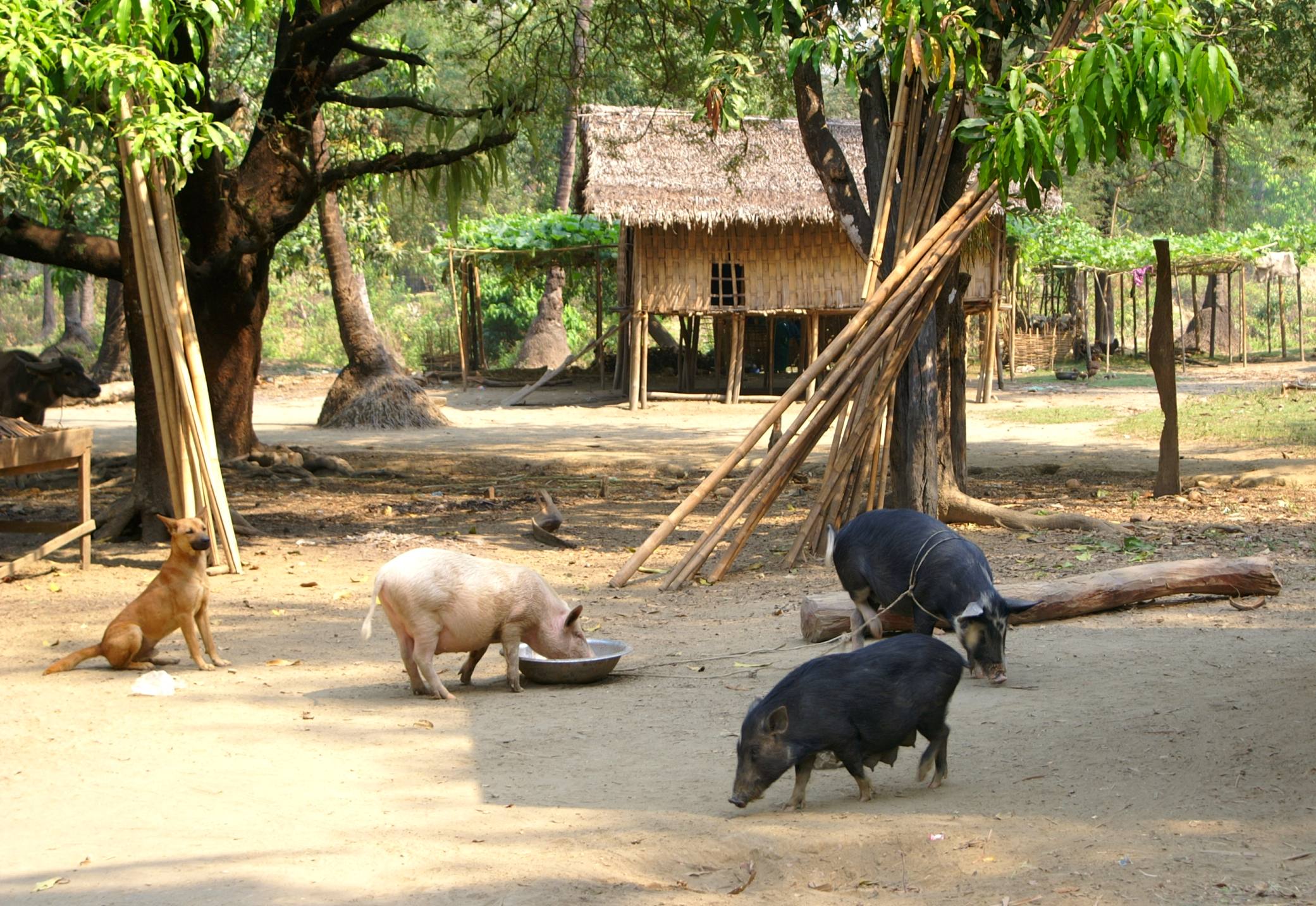
Visual Cultural Context
This mountain portrait is a better fit for the villages and places page because it places the person and the upland setting together, reinforcing the landscape orientation of the archive.